HUMANITARIAN PROJECT: ПОШУК МАЙБУТНЬОГО (FUTURE SEARCH)
Future Search was launched in 2010.
The main objectives of the project were:
• to enhance the professional skills of psychologists
• to disseminate innovative methods within the community of practicing psychologists
• to support social initiatives through training courses and seminars.
Since 2014, following the start of the Donbas war, the project has also included outreach rehabilitation programs for psychologists, teachers, and social activists, providing assistance to people affected by the war.
Over the course of 15 years, thousands of psychologists and professionals in the helping professions from all corners of Ukraine have undergone training and rehabilitation as part of the ‘Future Search’ Humanitarian Project. In certain cases, emergency one-off financial assistance was provided from the project’s funds.
Throughout this time, the project’s work has been sponsored by the small private Swiss foundation ‘Vogel Stiftung’. The foundation was established by the Swiss journalist Dr. Friedrich Vogel.
Since 2025, the Search for the Future project has been operating in business cooperation with the Kharkiv City Charitable Foundation "Timur".
Since 2022, when Russia launched its military invasion of Ukraine, rehabilitation projects have once again become the main focus of the project.
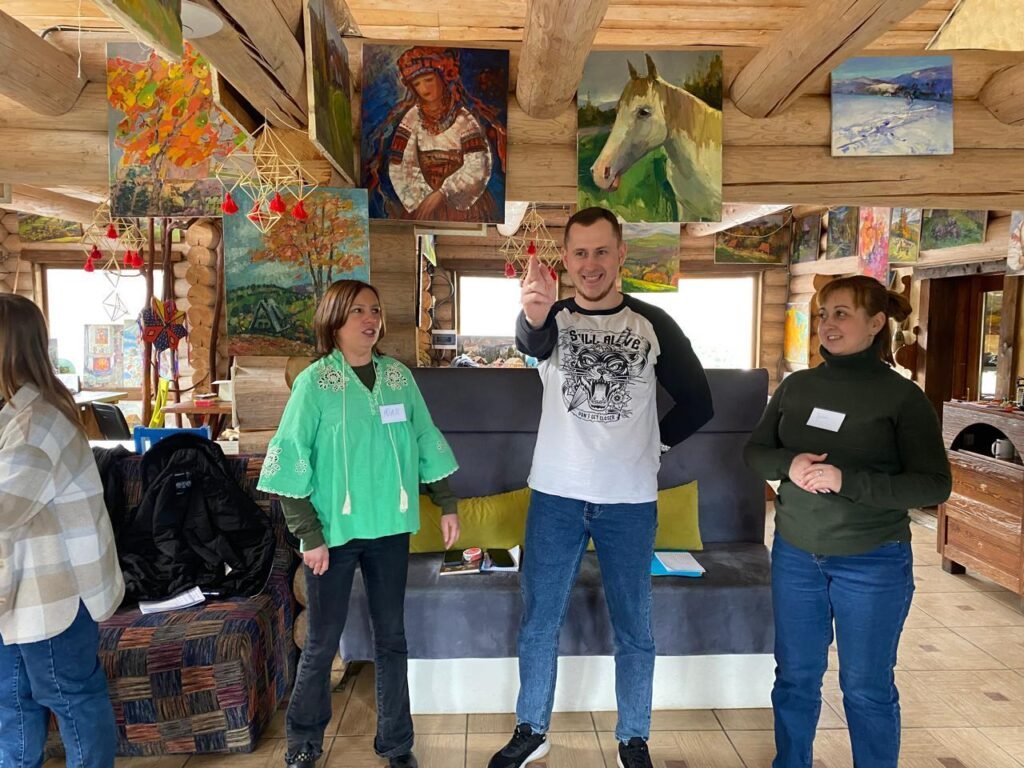
According to the feedback from seminar participants, due to the high professional level of training, our certificates are recognized by state qualification commissions for the certification of psychologists.
Over the past three years, our rehabilitation programs have been delivered by a well-coordinated team comprising two experienced leaders: Professor Natalia Miloradova, PhD in Psychology, and Associate Professor Viktoria Dotsenko, MSc in Psychology, both lecturers at the Kharkiv National University of Internal Affairs of the Ministry of Internal Affairs of Ukraine. They have also authored a detailed, illustrated Methodological Guide on implementing psychological rehabilitation programs for psychologists, which we will soon be able to present to our colleagues.
We also invite other colleagues working in the areas most in demand during this prolonged war to collaborate with us.
Logistics during the programs are reliably managed by experienced coordinators, practicing psychologists Anna Demchenko and Yulia Ogorodniychuk.
Below, we present the main objectives and content of the ‘Future Search’ programs.
The relevance of this project for Ukraine stems from the need to preserve the human resources of psychologists, who, in the context of full-scale war, are subjected to a dual destructive impact; this is because psychologists are not mere outside observers, but find themselves within the same dangerous reality as their clients, and are also exposed to secondary trauma.
Since the specialist’s personality is the primary tool for providing assistance, their professional burnout and psychological distress create a critical vacuum in the system of mental health protection for the state and all sections of the population.
I. Mental health this is one’s inner psychological capital, a state of harmony and well-being that determines how a person thinks, feels, and acts every day.
Key characteristics
Resilience (psychological flexibility) is the ability not to ‘break down’ under pressure, to adapt to change, and to find a way out of life’s crises.
Emotional balance (emotional intelligence) is the ability to be in touch with one’s emotions: to recognize them, understand why they have arisen, and manage them in a healthy way, rather than suppressing them.
Self-fulfillment and social skills: the ability to learn new things, create value at work, and build healthy, harmonious relationships with loved ones and colleagues.
Mental health is a dynamic balance. It is normal to feel sad, angry, or tired from time to time. The key is to have the inner resources to recover and return to equilibrium.
The systematic rehabilitation of psychologists goes beyond the scope of individual health care, becoming a strategic prerequisite for national resilience, for only the preservation of the ‘professional core’ guarantees the effective recovery of all sections of Ukraine’s population and the institutional capacity of the psychological support system under conditions of prolonged martial law.
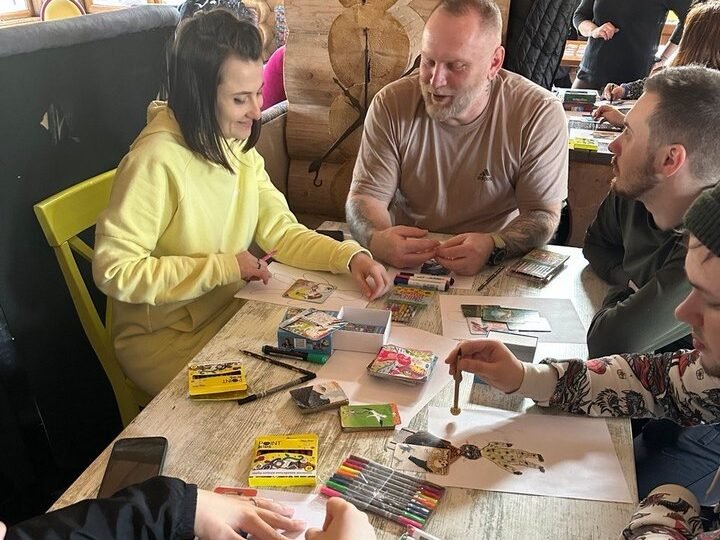
II. The socio-psychological rehabilitation program aims to prevent professional burnout and restore the psychological health and professional capacity of psychologists working with people who have experienced traumatic events or who have psychological issues.
1. Preventing professional burnout and secondary trauma: providing professionals with tools to process the difficult emotions arising from constant exposure to the traumatic experiences of others. Strengthening personal and professional resilience: training psychologists in self-help techniques, emotional regulation, and stress management to maintain objectivity, their own mental health, and ability to work. Professional development and training: mastering the latest counseling methods and specific techniques for working with all types of trauma, which is critically important in wartime conditions.
2. Creating a system of mutual support: forming a professional community to exchange experiences and overcome feelings of professional isolation.
3. Preserving the state’s human resource capacity: ensuring the long-term working capacity of specialists (‘professional longevity’), which is a strategic prerequisite for maintaining
III. The program consists of a range of activities and includes various methodologies, such as:
1. individual or group work to resolve internal conflicts, change destructive behavior patterns, and develop new skills;
2. enhancing skills in self-organization, communication, and interaction with others;
3. using creative art therapy methods to express emotions and tap into inner resources.
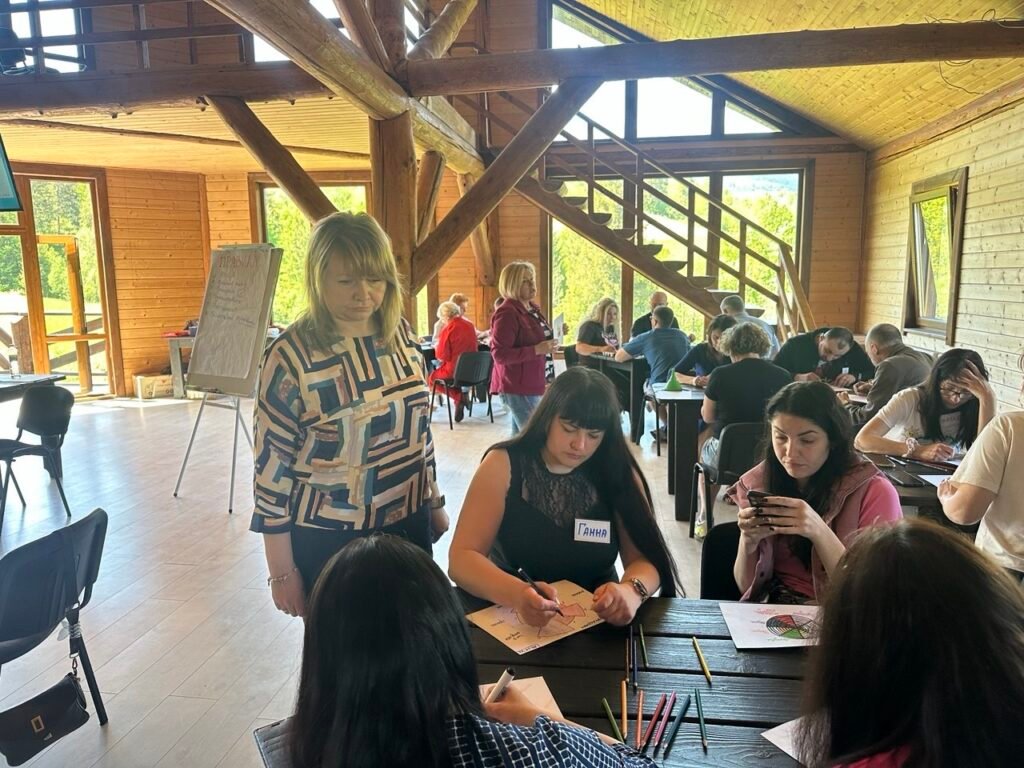
IV. Format: psychological retreat.
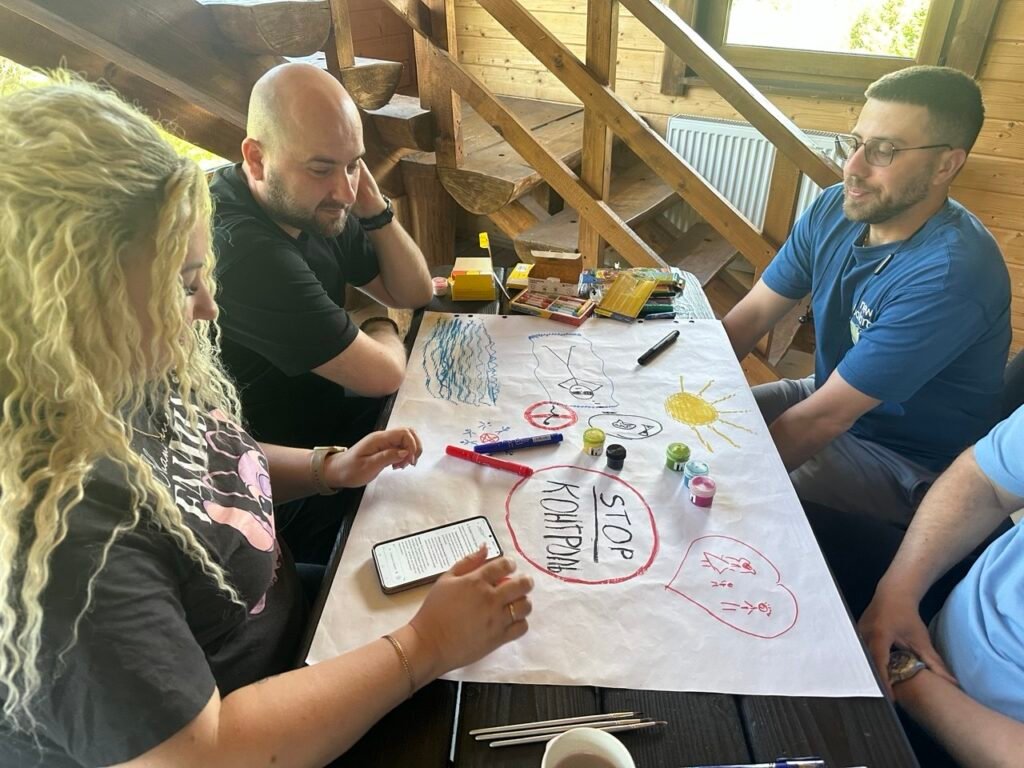
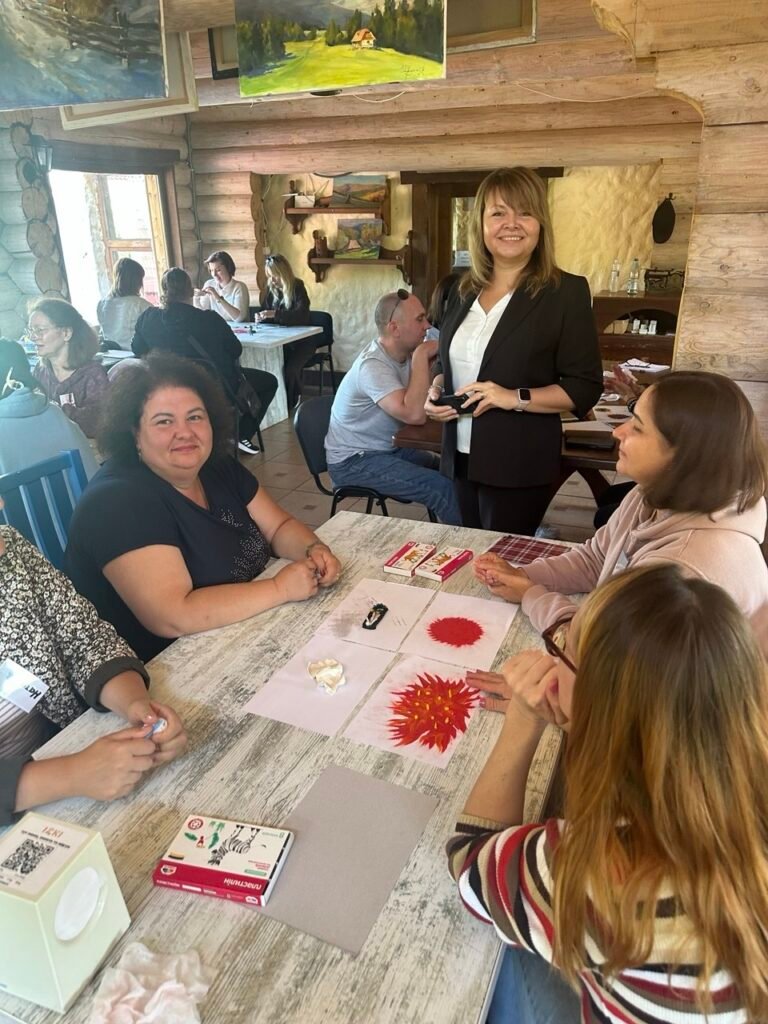
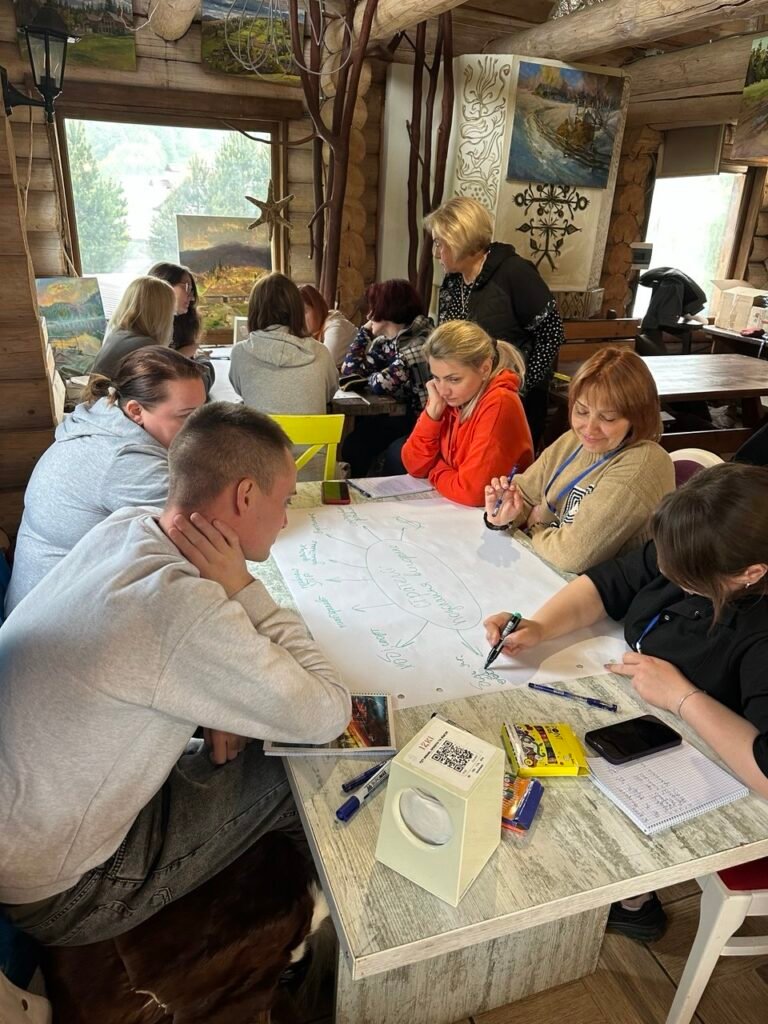
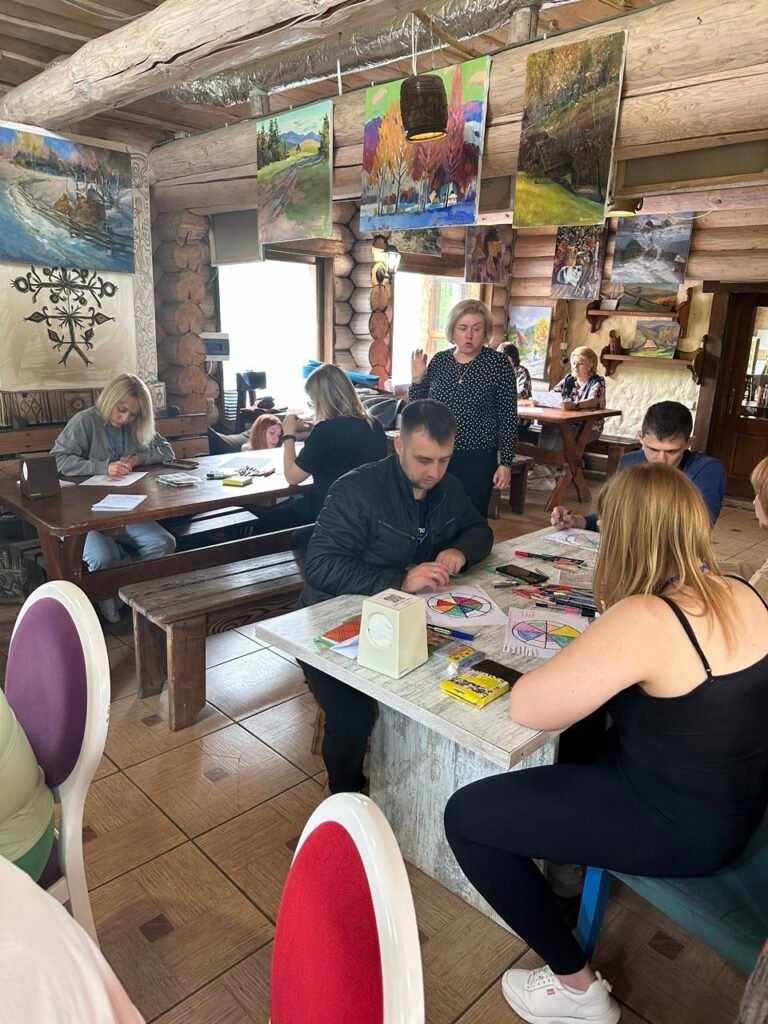
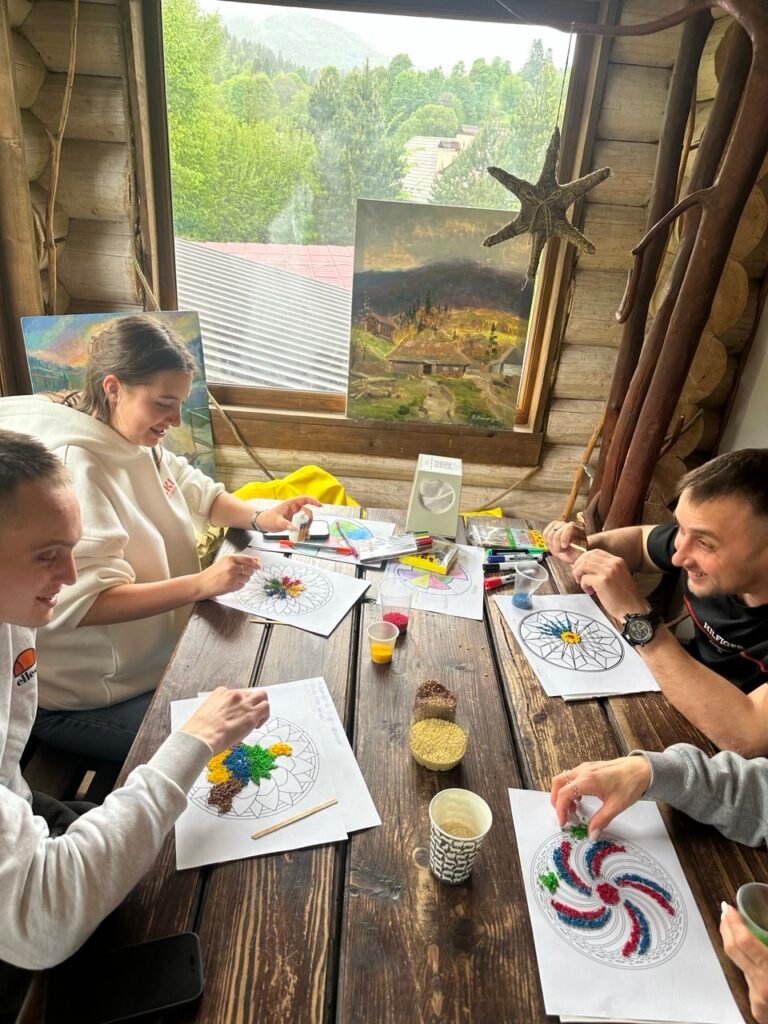
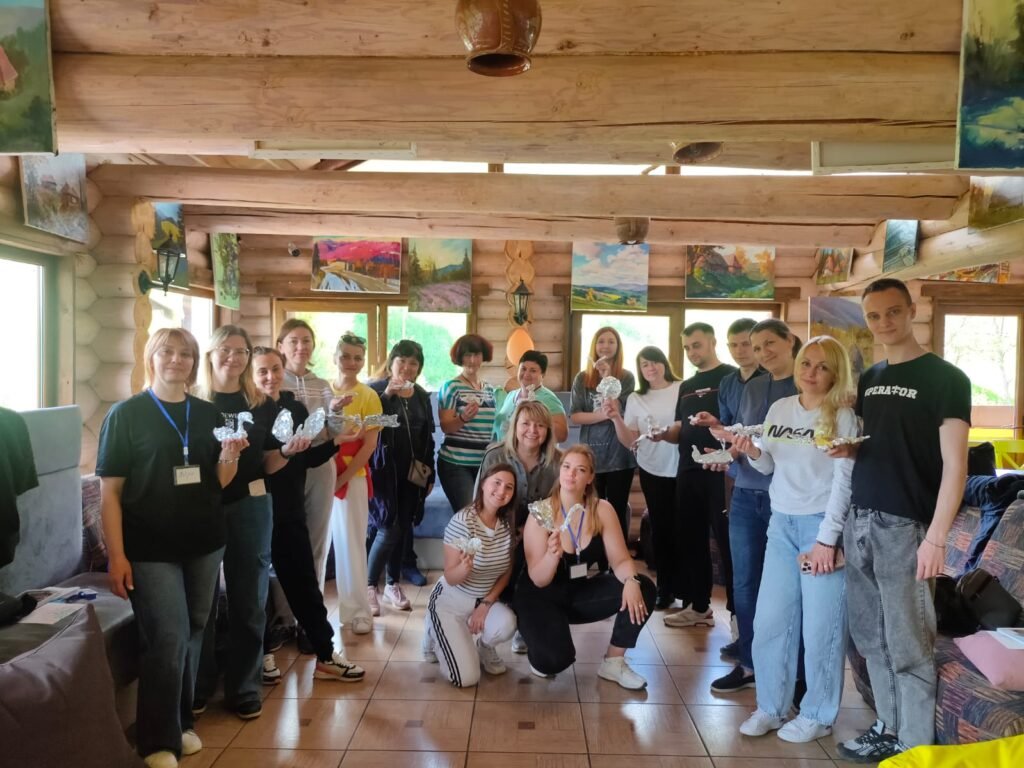
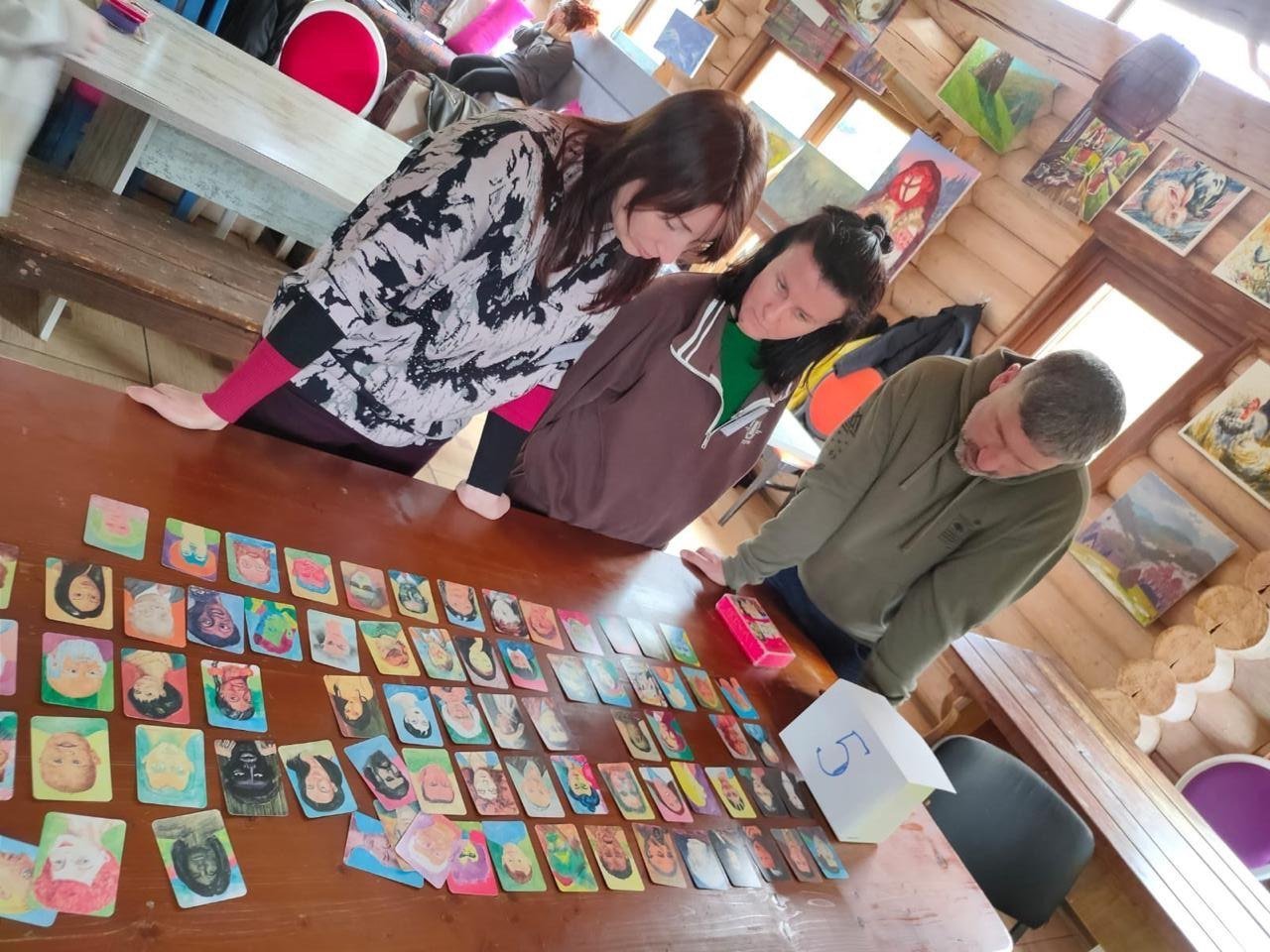
Methods: training techniques; art therapy methods (art therapy, mandala therapy, metaphoric associative cards, clay therapy, collage, etc.); psychodiagnostic methods; critical thinking techniques (cinquain); stabilization and grounding techniques; group mutual support.
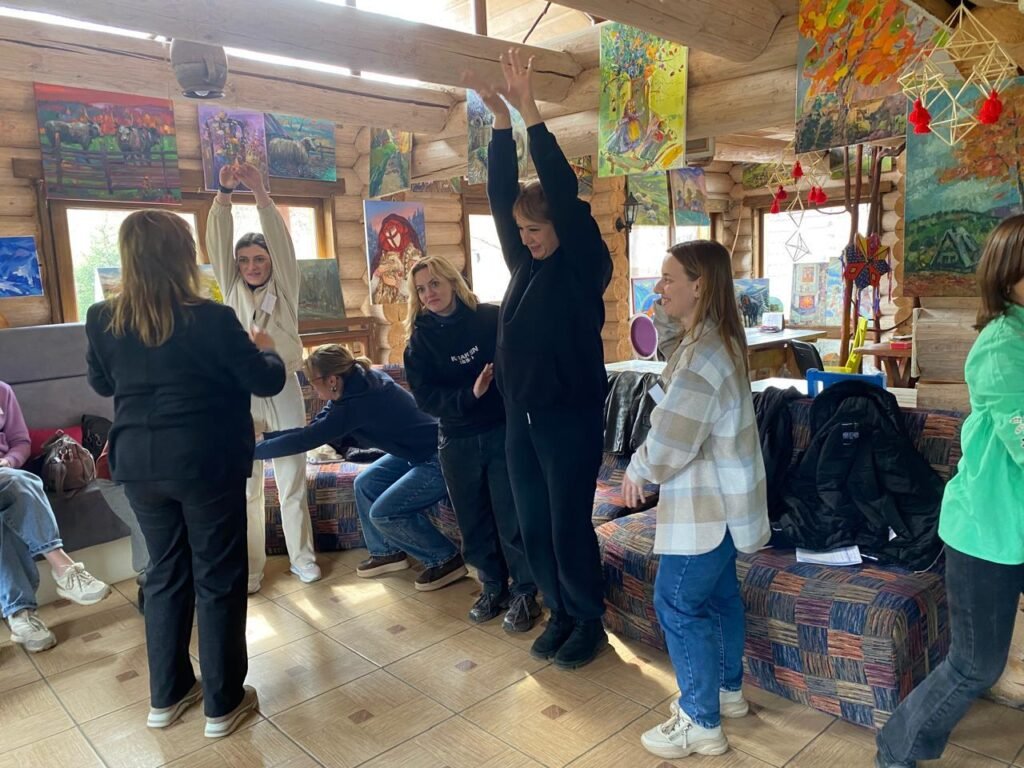
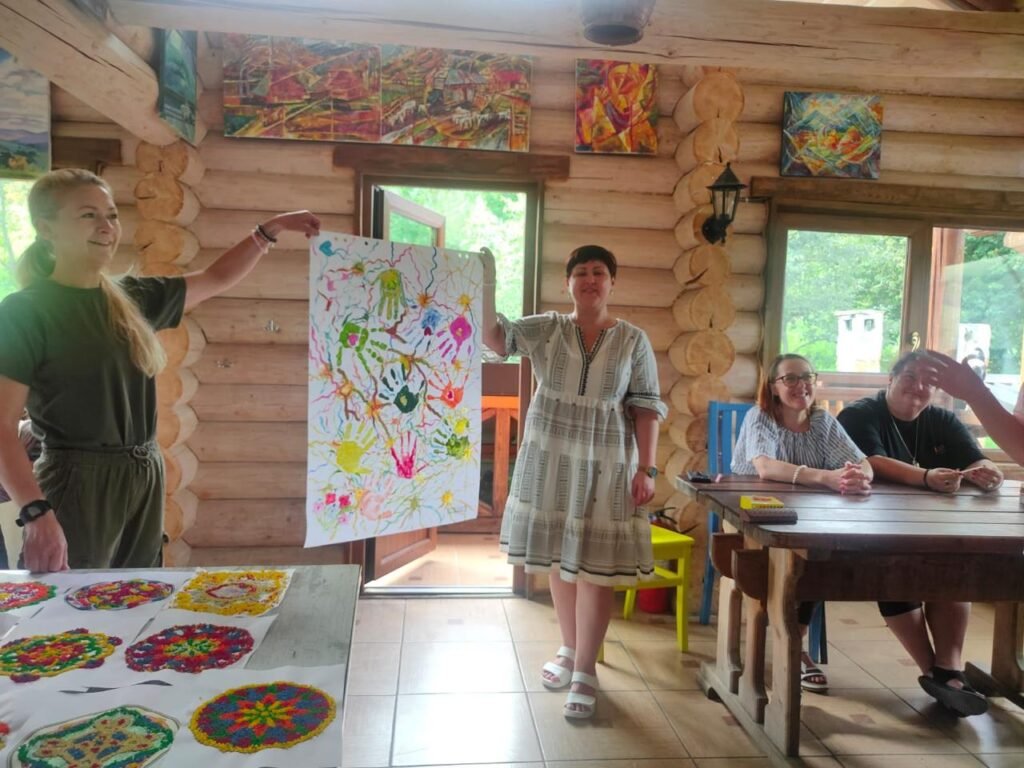
V. On the positive results of the program.
Program participants unanimously highlight the high level of professionalism, coordination, and charisma of the trainers, who create a safe, eco-friendly, and inspiring environment.
For fellow psychologists, being among like-minded people, where mutual support and a strong sense of group cohesion prevail, is of particular value. The organization of the event, which harmoniously combines a structured presentation of material, picturesque therapeutic natural surroundings, and comfortable accommodation, enables participants not only to enhance their professional skills but also to truly relax, recharge, and replenish their own psychological resources.
The assessment results confirm the rehabilitation program’s profound positive impact on participants’ psychological and emotional well-being.
Firstly, a high level of satisfaction was recorded among the psychologists, who highlighted the trainers’ professionalism, the eco-friendly atmosphere, and the harmonious balance between learning and relaxation.
Secondly,psychodiagnostic data revealed a significant reduction in stress, reactive and personal anxiety, as well as a marked improvement in well-being, activity levels, and mood.
Thirdly,the assessment of behavioral changes demonstrates the project’s high practical value: participants are actively and successfully integrating the knowledge and skills they have acquired into their professional activities and personal lives.
VI. Key distinguishing features:
- The program’s focus shifts from personal well-being to preserving the state’s ‘professional core’ for the sake of the stability of the mental defense system.
- The project protects the state’s ‘professional core’ by restoring psychologists themselves as a key professional tool. This prevents the emergence of a systemic crisis in the mental security of specialists, where members of the helping professions lose their ability to work.
For all questions regarding the Search for the Future project, please contact the project manager Natalia Nelidova – nnelidova777@gmail.com
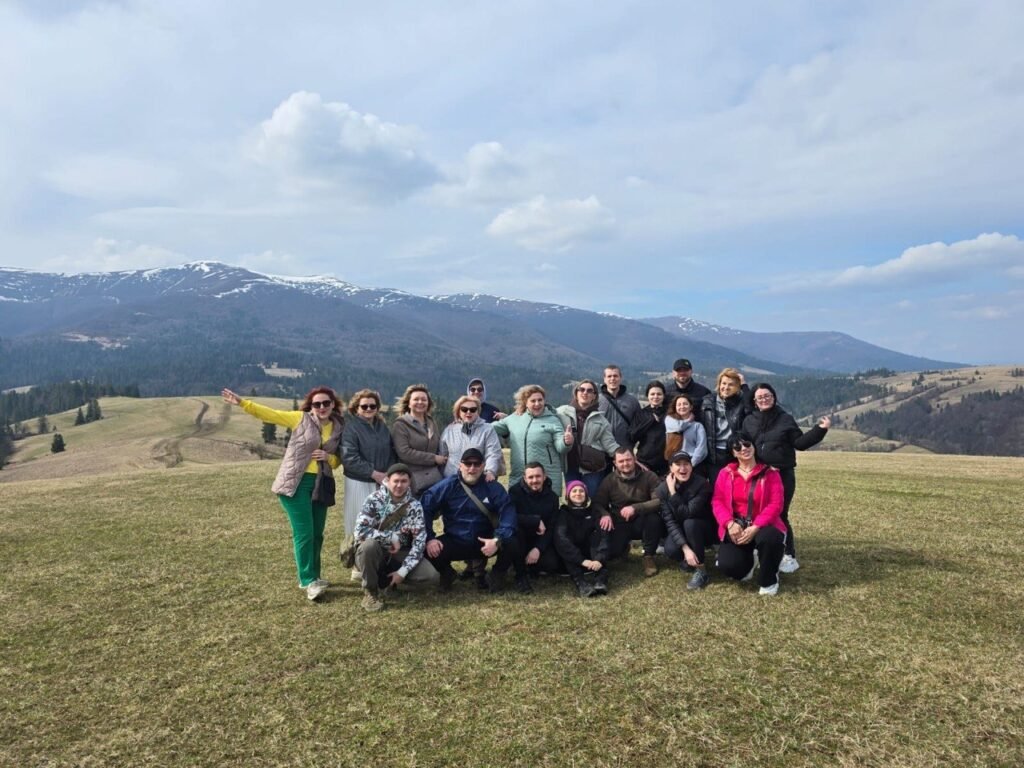
Below you can view photos from retreats held in 2024-25.